
The Human Side of Martial Arts in a Digital World
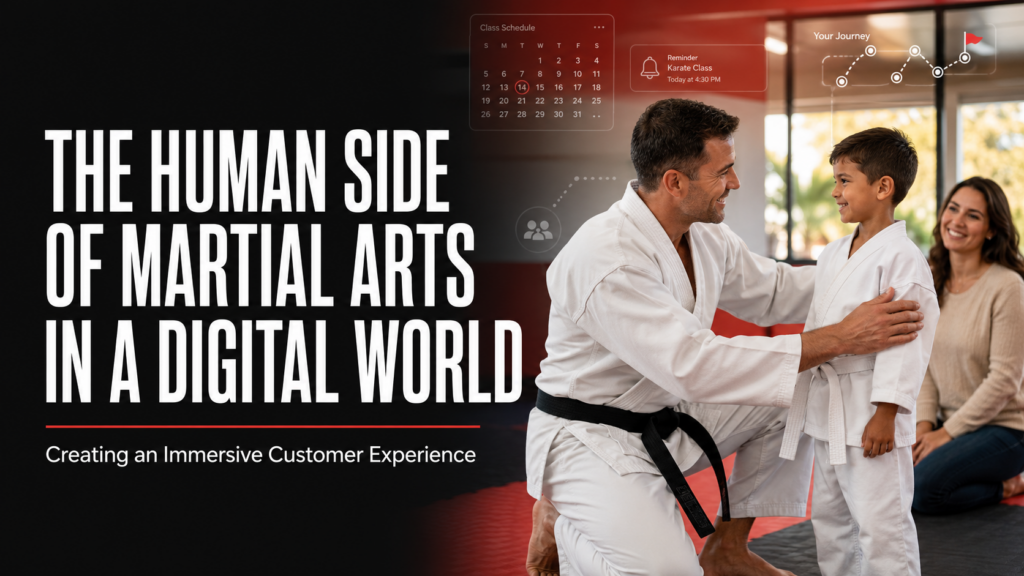
Creating an Immersive Customer Experience at Pete's Karate Orland
Martial arts training is fundamentally human. A website can explain the benefits of karate, a video can demonstrate a technique, and an automated system can remind a student about class—but technology cannot replace the encouragement of an instructor, the energy of training with classmates, or the pride a child feels when earning a new belt.
This distinction is especially important for Pete’s Karate Orlando. Families are not simply purchasing karate lessons. They are choosing instructors they can trust with their children’s physical safety, confidence, discipline, and character development. Adult students are not merely paying for access to a training facility. They are looking for guidance, accountability, fitness, practical self-defense skills, and a community in which they feel welcome.
Pete’s Karate Orlando must therefore avoid treating digital transformation as an effort to remove people from customer interactions. The better strategy is to use technology to eliminate friction, improve communication, personalize the customer journey, and give instructors more time to build meaningful relationships.
The ideal customer experience combines digital convenience with genuine human connection. Every online and offline interaction should feel like part of one continuous journey—from the moment a parent discovers Pete’s Karate in a Google search to the day their child earns a black belt.
How Pete’s Karate Orlando Balances Human Touch and Digital Experiences
Pete’s Karate Orlando already has the foundation for balancing digital convenience with personal interaction. Its website clearly communicates the academy’s central promise: building confidence, discipline, and respect through karate and self-defense training.
The website introduces prospective students to programs for children, teenagers, adults, and women. It also presents after-school programming, summer camps, and birthday parties. Visitors can review the benefits of training, read testimonials, find the school’s Orlando location, view its hours, and request a free trial. These digital touchpoints help families gather information before speaking with someone from the school.
However, the purpose of the website should not be to replace the instructor or complete the entire enrollment process without human involvement. Its purpose should be to help the prospective student take the next comfortable step toward a real relationship with the academy.
Pete’s Karate can create the right balance by assigning different responsibilities to people and technology.
Technology Should Handle Convenience
Digital tools are most valuable when they complete repetitive administrative tasks. These may include:
- Displaying class schedules and program information
- Collecting free-trial requests
- Sending appointment confirmations
- Delivering class reminders
- Providing directions and parking instructions
- Processing routine payments
- Sharing event calendars
- Distributing permission forms and waivers
- Answering basic questions about uniforms, schedules, and age requirements
- Tracking attendance and student milestones
Automating these activities does not weaken the customer relationship. It allows instructors and staff members to spend less time entering information, answering the same logistical questions, or manually sending reminders.
Technology should make the school easier to reach and easier to do business with. It should not become a barrier between the family and the instructor.
People Should Handle Emotion, Judgment, and Trust
Human interaction becomes most important when a prospective student feels uncertain, nervous, excited, or vulnerable.
A parent may want to know whether a shy child will feel comfortable in class. Another family may be seeking help after their child experienced bullying. An adult may feel embarrassed about being out of shape. A woman considering self-defense training may have highly personal reasons for wanting to feel safer.
These conversations require empathy and judgment. An automated chatbot can provide class times, but it should not be expected to understand a parent’s concern about their child’s confidence. An online form can collect contact details, but it cannot observe a child during a trial class or recommend the most appropriate learning approach.
Pete’s Karate should preserve human involvement during the moments that shape trust:
- Responding personally to detailed questions
- Calling or texting families after a trial request
- Welcoming new students by name
- Introducing parents and children to the instructor
- Assessing a student’s needs and comfort level
- Recommending the right program
- Discussing progress or behavioral concerns
- Celebrating belt promotions
- Resolving complaints
- Supporting students experiencing fear or frustration
The distinction is simple: technology should support transactions, while people should build relationships.
Turning the Website Into a Digital Welcome Center
The Pete’s Karate Orlando website should function as the digital entrance to the academy. It should give prospective families the same impression they would receive when walking into a clean, energetic, organized, and welcoming school.
The current website presents the academy’s programs, benefits, testimonials, introductory offer, contact information, and location. It highlights confidence building, character development, anti-bullying training, experienced instructors, and a family-friendly environment. These messages establish a strong foundation because they address the deeper outcomes families expect from martial arts training—not simply punches, kicks, or physical exercise.
The next step is to make the website feel more personal and interactive.
A short welcome video from Sensei Pete could immediately humanize the digital experience. Instead of encountering only written information, visitors would see the instructor, hear his voice, and understand his teaching philosophy. The video could answer three important questions:
- What does Pete’s Karate believe?
- What can a new student expect?
- Why should a family feel comfortable taking the first step?
Program pages could include brief videos showing actual classes in action. A parent exploring kids’ karate could see students practicing in a structured but encouraging environment. An adult considering kickboxing could observe the pace and intensity of training. A woman reviewing self-defense options could see how instruction is made practical, respectful, and accessible.
These videos would not replace visiting the academy. They would reduce uncertainty and help prospective students imagine themselves participating.
Personal Communication After a Digital Inquiry
One of the most important moments in the customer journey occurs immediately after someone submits a free-trial request.
A confirmation page and automated email should reassure the prospect that the request was received. However, the next contact should come from a real person.
| “Hi, this is Pete from Pete’s Karate Orlando. I saw that you requested information about a free trial for your child. I would be happy to answer any questions and help you choose the best class to visit.” |
This type of communication feels personal because it is personal. It also allows the academy to learn why the family is interested in martial arts. The staff member could ask:
- What motivated you to explore karate?
- Has your child trained in martial arts before?
- Are you primarily interested in confidence, discipline, fitness, self-defense, or another outcome?
- Is there anything that might make your child nervous about attending?
- Which days are most convenient for your family?
The answers should be recorded in a customer relationship management system so the instructor can review them before the trial class. When the family arrives, the instructor should already know the student’s name and primary goal.
Imagine the difference between these two greetings:
| “Are you here for the trial class?”
versus “Welcome, Tyler. I’m glad you’re here. Your mom mentioned that you’re interested in becoming more confident and learning self-defense. We’re going to help you feel comfortable today.” |
The second greeting demonstrates how digital information can strengthen, rather than weaken, the human experience.
Making the First Visit Feel Personal
The first in-person visit is the moment when the digital promise must become physical reality. Every detail should reinforce the brand messages presented online.
If the website promises a supportive, family-friendly environment, the family should be greeted promptly and warmly. If the website emphasizes discipline and respect, the class should feel organized. If it promises confidence building, instructors should encourage beginners without embarrassing or overwhelming them.
A strong first-visit experience might include:
- A personalized welcome at the front desk
- A brief tour of the academy
- An introduction to the instructor
- A clear explanation of what will happen during class
- An assigned student ambassador or training partner
- A beginner-friendly activity that creates an early success
- A conversation with the parent after class
- A handwritten or personalized digital thank-you message
The student should leave feeling successful, while the parent should leave feeling confident that the academy cares about the child as an individual.
This is where the human touch becomes Pete’s Karate Orlando’s most important competitive advantage. Other academies can purchase similar software, build websites, send emails, and post videos. It is much harder to duplicate an instructor who remembers a student’s goals, notices improvement, provides sincere encouragement, and establishes trust with the family.
How Pete’s Karate Orlando Can Make the Experience More Immersive
An immersive customer experience does not necessarily require virtual reality headsets or expensive interactive equipment. Immersion occurs when people become deeply involved in an experience emotionally, physically, socially, and mentally.
For Pete’s Karate, immersion means that the student does not feel like someone who merely attends a class twice a week. The student begins to see themselves as a martial artist and a valued member of the academy community.
The school can accomplish this by connecting its website, social media, communication systems, physical academy, instructors, events, and student milestones into one unified experience.
Map the Complete Student and Parent Journey
Before adding more technology, Pete’s Karate should map every stage of the experience:
- Awareness
- Research
- Inquiry
- Trial class
- Enrollment
- Onboarding
- Ongoing training
- Belt advancement
- Community participation
- Retention, referral, or reengagement
At every stage, the academy should identify what the customer is doing, thinking, feeling, and needing.
During the awareness stage, a parent may be searching for “kids karate in Orlando” or “anti-bullying classes near me.” During the research stage, that parent may compare instructors, reviews, class schedules, prices, safety, and location. Before the trial class, the child may feel nervous. After three months of training, the parent may wonder whether the child is making progress. Near a belt test, the student may feel excited but anxious.
Pete’s Karate should design communications around these emotions, not just around its own sales process. A pre-trial video could show a beginner entering the academy and explain what to expect. A 30-day progress message could tell parents what skills their children are developing. A belt-test preparation guide could help students practice at home. These touchpoints make the experience feel coordinated and supportive.
Create a Personalized Digital Student Journey
Once a student enrolls, the digital relationship should become more personalized. A student portal or mobile-friendly member area could provide:
- The student’s current belt level
- Attendance records
- Upcoming class times
- Belt-test requirements
- Approved practice videos
- Instructor feedback
- Personal goals
- Event registration
- Achievement badges
- Parent resources
The portal should support in-person training rather than become a substitute for it. Students should not attempt advanced techniques without supervision simply because they watched a video. Digital content should reinforce techniques already taught in class and help students remember terminology, stances, forms, or conditioning exercises.
The system could also celebrate progress. When a student completes a certain number of classes, demonstrates a core value, or qualifies for a belt test, the student could receive a digital badge or personalized message from the instructor.
| “Olivia, I’ve noticed that you are staying focused longer during drills and helping newer students. That shows real leadership. Keep working on your front stance before the next class.” |
A generic notification reports activity. A personalized instructor message builds identity and motivation.
Build Immersion Through Storytelling
People become immersed when they see themselves as part of a larger story. Pete’s Karate should tell stories about transformation—not just promote class openings. Content could feature students who became more confident, adults who improved their fitness, children who learned to manage frustration, or families who formed lasting friendships through the academy.
With appropriate written permission, the school could create a recurring “Student Journey” video series. Each feature could explore:
- Why the student began karate
- What challenges the student faced
- What the student learned
- How training affected life outside the academy
- What goal the student hopes to achieve next
This approach makes marketing more credible because it allows real students and parents to describe the experience in their own words.
Social media can also provide short glimpses into everyday academy life, including a technique of the week, instructor introductions, belt-test preparation, student achievements, character lessons, anti-bullying tips, parent testimonials, summer camp highlights, behind-the-scenes event preparation, and community service activities. The goal is not to manufacture constant promotional content. It is to allow prospective and current families to see the culture of the academy.
Connect Physical Training With Digital Interaction
Pete’s Karate can use carefully placed QR codes to connect the physical academy with digital resources. A code near the entrance could open the weekly schedule. A code on a belt-test handout could provide an approved practice video. A code at a community demonstration could lead to a free-trial registration page. A code on a student achievement card could open a congratulatory video from the instructor.
These tools are valuable because they create hybrid artifacts—physical items connected to digital content. The physical and digital elements are not competing with one another; each increases the value of the other.
The school could also introduce a digital “Path to Black Belt” experience. Students and parents could see the progression from beginner to advanced levels, learn what each belt represents, and track major milestones. A visual progress path makes long-term development more understandable and can improve motivation.
However, the system should never reduce martial arts advancement to merely collecting digital badges. Belt promotion must remain based on skill, effort, character, instructor judgment, and demonstrated readiness.
Turn Belt Promotions Into Signature Experiences
Belt testing and promotion ceremonies are among the most emotionally powerful moments in martial arts. Pete’s Karate can make them even more memorable by designing the experience before, during, and after the event.
Before testing, students could receive a personalized eligibility message, a preparation checklist, approved practice videos, an encouraging message from the instructor, and a digital invitation for family members.
During the event, the academy could create a professional but celebratory environment with student introductions, family seating, photography, and recognition of individual progress.
Afterward, the student could receive a formal certificate, a professional photo, a short highlight video, a personalized instructor message, a digital achievement added to the student portal, and a shareable family announcement.
This transforms a routine operational event into a powerful memory. It also reinforces retention because students can see how far they have progressed and what they are working toward next.
Immerse the Entire Family
For children’s programs, parents are part of the customer experience even when they are not participating in class. Pete’s Karate should therefore design an experience for the student and the parent.
Parents could receive monthly progress summaries discussing attendance, effort, skill development, and character growth. Short educational emails could explain how to support practice at home without pressuring the child. Parent workshops could cover bullying prevention, internet safety, situational awareness, confidence building, and healthy discipline.
The academy could also hold family training nights where parents and children participate together. These events create shared memories and help parents appreciate what their children are learning.
A private online family group could provide announcements, event photos, educational resources, and community conversations. It should be moderated carefully and follow strict privacy standards, particularly when sharing content involving children.
Make the Academy Part of the Orlando Community
Immersion becomes stronger when students see their academy as part of their broader community. Pete’s Karate Orlando could participate in school events, local festivals, charity drives, safety seminars, and anti-bullying programs. Students could take part in demonstrations, leadership projects, or age-appropriate community service.
Digital content could extend these activities beyond the event itself. A local self-defense seminar could be promoted online, registered for through the website, conducted in person, and followed by digital safety resources. A charity drive could include an online progress tracker and in-person collection point. A school demonstration could lead families to a dedicated introductory offer.
This creates a circular journey in which physical experiences generate digital engagement, and digital interactions encourage additional physical participation.
Use Data Without Losing Humanity
Pete’s Karate should measure the customer journey so it can identify where families encounter frustration or disengagement. Useful indicators include:
- Website-to-inquiry conversion rate
- Response time to new inquiries
- Trial-class attendance rate
- Trial-to-enrollment conversion rate
- Attendance frequency
- Student retention by program
- Belt-test participation
- Parent satisfaction
- Referral rate
- Event participation
- Reasons students discontinue training
These numbers should help the academy ask better questions. They should not be used to treat students like statistics.
If attendance declines, the system could alert an instructor. The appropriate response would not be an endless sequence of automated sales messages. An instructor could personally call the family and ask whether the student is struggling, whether the schedule has become difficult, or whether the family needs support.
| Data identifies the moment that requires attention. A person provides the care. |
Establish a Human-First Technology Policy
Pete’s Karate Orlando can protect its culture by establishing clear rules for technology use:
- Automation may confirm, remind, organize, and inform.
- Instructors remain responsible for teaching and evaluating students.
- Sensitive concerns receive a human response.
- Parents can easily reach a real staff member.
- Student information is collected only when it serves a legitimate purpose.
- Photos and videos of minors require proper consent.
- Technology should never interrupt the focus of an active class.
- Artificial intelligence may assist with administrative work, but it should not make final decisions about student readiness, behavior, safety, or advancement.
These principles ensure that digital growth does not come at the expense of trust.
A More Immersive Future for Pete’s Karate Orlando
Pete’s Karate Orlando does not need to choose between traditional martial arts values and modern technology. Its greatest opportunity lies in combining them thoughtfully.
The website can introduce the academy. Videos can reduce uncertainty. Online forms can simplify registration. Automated reminders can improve attendance. A student portal can make progress visible. Digital content can reinforce learning. Customer data can help instructors recognize when a family needs attention.
But people must remain at the center of the experience.
The instructor welcomes the nervous beginner. The instructor recognizes effort. The instructor knows when to challenge a student and when to encourage them. The instructor helps parents understand their child’s development. The instructor transforms movements into discipline, confidence, respect, and character.
An immersive Pete’s Karate experience should therefore feel personal at every stage. A family discovers the academy online, receives a genuine response, walks into a welcoming environment, participates in a successful first class, receives personalized follow-up, tracks meaningful progress, celebrates belt promotions, joins community events, and gradually develops a sense of belonging.
| That is the ideal balance: digital convenience surrounding a deeply human relationship. |
When Pete’s Karate Orlando orchestrates the entire journey in this way, it is no longer merely selling karate classes. It is creating a connected community in which students can see their progress, share meaningful experiences, develop a martial artist’s identity, and carry the academy’s lessons into everyday life.
References
Pete’s Karate Orlando. https://peteskarateorlando.com/
Di Bernardo, I., Mele, C., Ranieri, A., & Russo Spena, T. (2024). “Phygital customer journey: A practice-based approach.” https://doi.org/10.1108/QMR-08-2023-0102